Product Description
Fully Automatic Single Person Straightening Machine Cooling Table
Product Description
This equipment is 1 of our best-selling products. Now it has been exported to many countries, including India, Türkiye and other countries, and has been widely praised at home and abroad. A complete aluminum profile production and processing line should include equipments such as aluminum rod heating furnace, hot sheat machine, die heating furnace, extrusion machine, cooling table, aging furnace, etc. which we are selling as well.
Product Parameters
| Suitable Extruder Tonnage | 1000T~1000T |
| Function | Sliding table, material transfer table, cooling table, bridge straightening mechanism, material storage table, sawing table, finished product saw, and fixed length |
| Belt structure | The belt adopts a detachable and replaceable structure |
| Belt mode | Flat belt, chain belt, felt synchronous belt, etc |
| Capable of achieving functionally | Can be equipped with a double or single person straightening machine, which can achieve automatic sawing and conveying of finished products. |
Our Advantages
More efficient, energy saving, intelligent and environmental. Less fault.
Detailed Photos
Company Profile
HangZhou Xihu (West Lake) Dis. Yanming Thermal Equipment CHINAMFG Co Ltd has been awarded National High-Tech Enterprise in 2016. Our company is located in HangZhou town Xihu (West Lake) Dis. District, HangZhou City, ZheJiang Province, where is known as China Aluminium Town. Our company owns many skilled and experienced engineers and workers, who dedicated themselves to the R&D and manufacturing of aluminium equipment.
Certifications
Customer Photos
Packaging & Shipping
/* March 10, 2571 17:59:20 */!function(){function s(e,r){var a,o={};try{e&&e.split(“,”).forEach(function(e,t){e&&(a=e.match(/(.*?):(.*)$/))&&1
| After-sales Service: | Maintenance |
|---|---|
| Warranty: | 1 Year |
| Belt Structure: | The Belt Is Detachable and Replaceable |
| Belt Mode: | Flat Belt, Chain Belt, Felt Synchronous Belt, etc |
| Aluminum Beam Spacing: | 1200mm Per Grid |
| Felt Belt Specifications: | 6200X80X10mm |
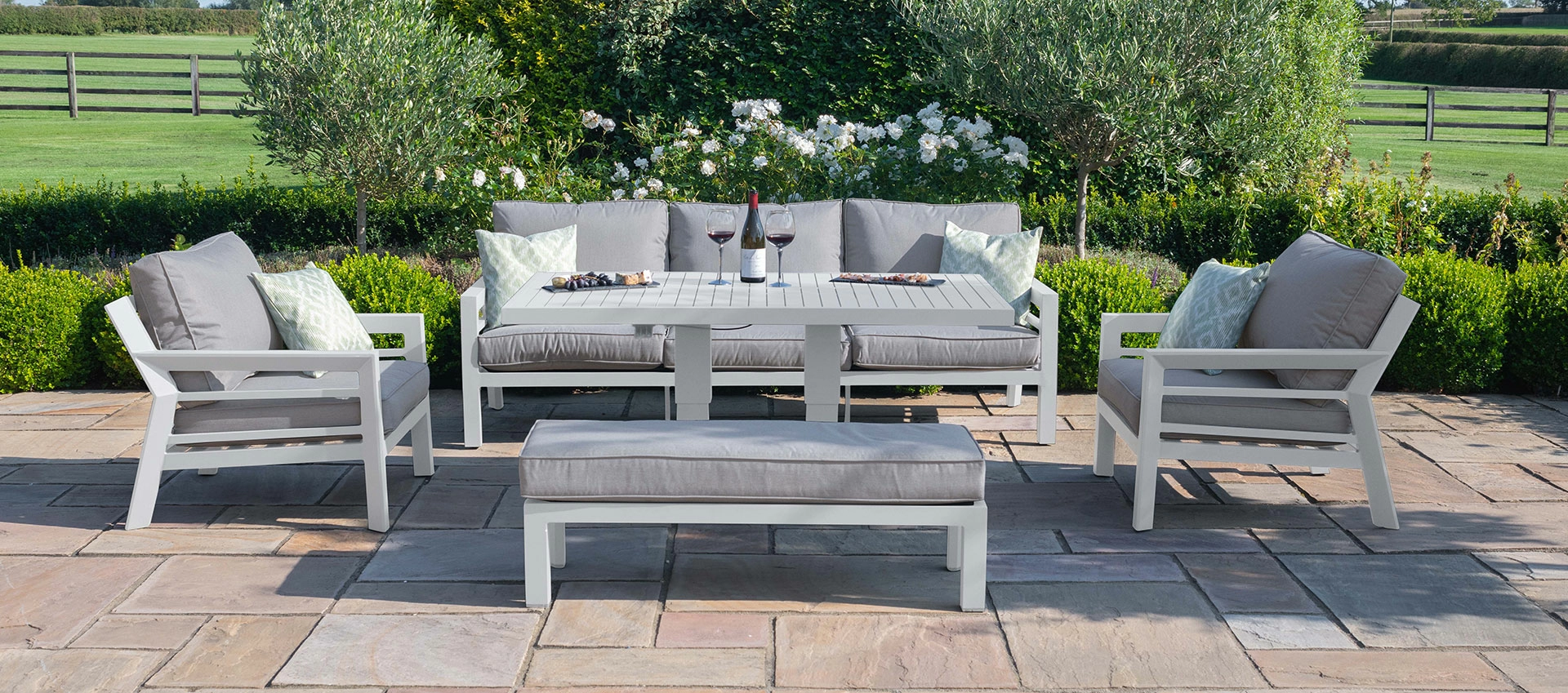
What are the benefits of using aluminum tables in commercial outdoor seating areas?
Using aluminum tables in commercial outdoor seating areas offers several benefits. Here is a detailed explanation:
1. Durability: Aluminum tables are highly durable and can withstand the rigors of commercial use in outdoor seating areas. They are resistant to corrosion, weather elements, UV rays, and general wear and tear. Aluminum’s strength and robustness make it suitable for high-traffic environments, ensuring that the tables can withstand frequent use without easily deteriorating or requiring constant maintenance.
2. Lightweight: Aluminum is a lightweight material compared to many other commonly used materials for tables, such as wood or steel. This makes aluminum tables easier to move, rearrange, or store when needed. The lightweight nature of aluminum also facilitates the setup and breakdown of outdoor seating areas, which may be required for events, parties, or seasonal changes.
3. Weather Resistance: Outdoor seating areas are exposed to various weather conditions, including rain, sunlight, humidity, and temperature fluctuations. Aluminum tables are designed to be weather-resistant, making them an ideal choice for commercial outdoor settings. They can withstand exposure to moisture without rusting or warping and resist fading or discoloration from prolonged sunlight exposure. This weather resistance ensures that the tables maintain their appearance and functionality over time.
4. Low Maintenance: Aluminum tables require minimal maintenance, which is advantageous in commercial settings where time and resources may be limited. Unlike materials like wood that may need regular staining or sealing, aluminum tables typically only require basic cleaning with mild soap and water. This low maintenance requirement saves time and effort, allowing staff to focus on other essential tasks.
5. Design Versatility: Aluminum tables offer design versatility, allowing for various styles and aesthetics to be achieved in commercial outdoor seating areas. They are available in a wide range of shapes, sizes, and finishes, including different colors, textures, and patterns. This versatility enables businesses to choose aluminum tables that complement their brand image, match the overall design theme of the establishment, or cater to specific customer preferences.
6. Cost-Effective: Aluminum tables can be a cost-effective choice for commercial outdoor seating areas. While the upfront cost may vary depending on the specific design, quality, and features of the tables, aluminum’s durability and longevity offer long-term value. Aluminum tables typically have a long lifespan and require minimal repair or replacement, resulting in potential cost savings over time compared to tables made from less durable materials.
7. Hygiene and Cleanliness: In commercial settings, maintaining hygiene and cleanliness is crucial. Aluminum tables are non-porous and easy to clean, reducing the risk of bacteria or dirt build-up. They can be quickly wiped down with a mild cleaning solution, ensuring a sanitary surface for customers. This quality is particularly important in foodservice establishments or outdoor seating areas where cleanliness is a priority.
8. Customization Options: Many manufacturers offer customization options for aluminum tables, allowing businesses to tailor the tables to their specific needs. Customization may include selecting the table size, shape, finish, or even incorporating branding elements such as logos or patterns. Customized aluminum tables can help create a unique and cohesive aesthetic that aligns with the establishment’s brand identity.
In summary, using aluminum tables in commercial outdoor seating areas provides several benefits, including durability, lightweight construction, weather resistance, low maintenance requirements, design versatility, cost-effectiveness, hygiene, and customization options. These advantages make aluminum tables a practical and reliable choice for businesses seeking durable and aesthetically pleasing outdoor furniture for their commercial spaces.
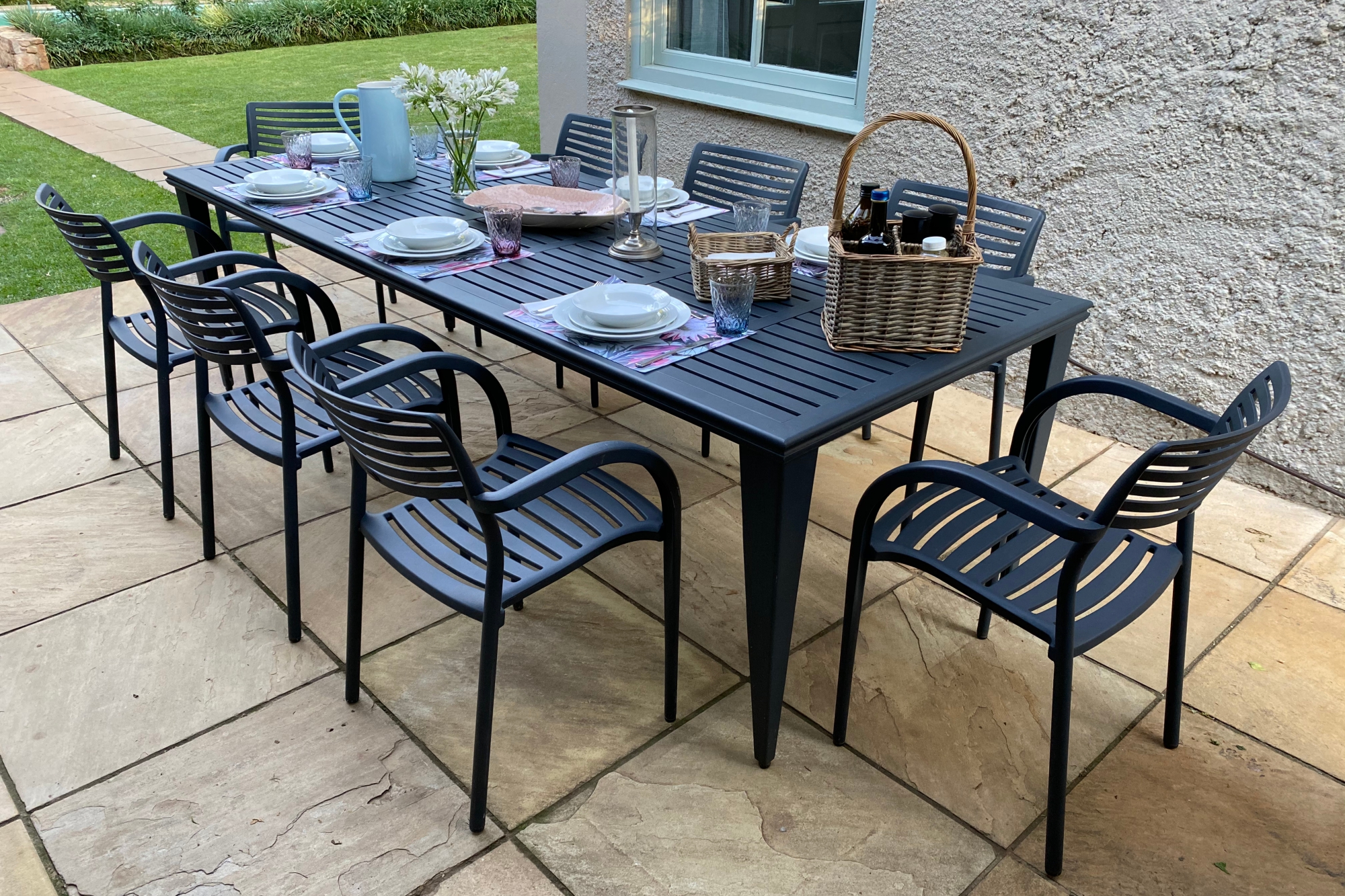
How do aluminum tables enhance the overall functionality of outdoor spaces?
Aluminum tables offer several advantages that enhance the overall functionality of outdoor spaces. Here is a detailed explanation:
1. Durability: Aluminum tables are known for their durability and ability to withstand outdoor elements. They are resistant to rust, corrosion, and fading, making them ideal for long-term use in various weather conditions. Their robust construction ensures that they can withstand the rigors of outdoor environments, including exposure to sunlight, rain, and temperature changes.
2. Lightweight and Portable: One of the key advantages of aluminum tables is their lightweight nature. Compared to other materials like wood or wrought iron, aluminum tables are easier to move and transport. This portability allows you to rearrange your outdoor space easily or take the table with you for picnics, camping trips, or other outdoor activities.
3. Versatility: Aluminum tables come in various shapes, sizes, and designs, offering versatility in outdoor spaces. Whether you have a small balcony, a spacious patio, or a garden, you can find aluminum tables that fit your specific needs. They can be used as dining tables, coffee tables, side tables, or even as workstations. This versatility allows you to create functional and inviting seating areas for different purposes.
4. Low Maintenance: Aluminum tables require minimal maintenance, making them convenient for outdoor spaces. Unlike wood tables that may require regular staining or sealing, aluminum tables can be easily cleaned with mild soap and water. They are resistant to stains, mold, and mildew, reducing the need for extensive upkeep. This low-maintenance characteristic allows you to spend more time enjoying your outdoor space rather than maintaining furniture.
5. Design Variety: Aluminum tables are available in a wide range of designs, styles, and finishes, allowing you to find options that complement your outdoor aesthetic. Whether you prefer a modern, contemporary look or a more traditional and rustic style, there are aluminum tables to suit your preferences. You can choose from different colors, textures, and patterns to create a cohesive and visually appealing outdoor space.
6. Space Optimization: Aluminum tables can help optimize outdoor spaces by providing functional surfaces for various activities. They offer a place to dine, entertain guests, work, play games, or simply relax. By incorporating aluminum tables into your outdoor design, you can maximize the usability of your outdoor space and create distinct areas for different purposes.
7. Weather Resistance: Aluminum tables are designed to withstand outdoor weather conditions. They are resistant to UV rays, which helps prevent fading or discoloration over time. Aluminum is also resistant to moisture, making it suitable for use in humid or rainy climates. These weather-resistant properties ensure that your aluminum table remains in good condition and maintains its functionality for years to come.
8. Cost-Effective: Aluminum tables generally offer good value for money. They are often more affordable compared to other outdoor furniture materials like teak or wrought iron. Despite their lower cost, aluminum tables still provide durability and functionality, making them a cost-effective choice for enhancing outdoor spaces.
By incorporating aluminum tables into your outdoor spaces, you can enjoy their durability, versatility, ease of maintenance, and aesthetic appeal. These tables provide functional surfaces for various activities and help optimize the usability of your outdoor area, ultimately enhancing the overall functionality and enjoyment of your outdoor space.
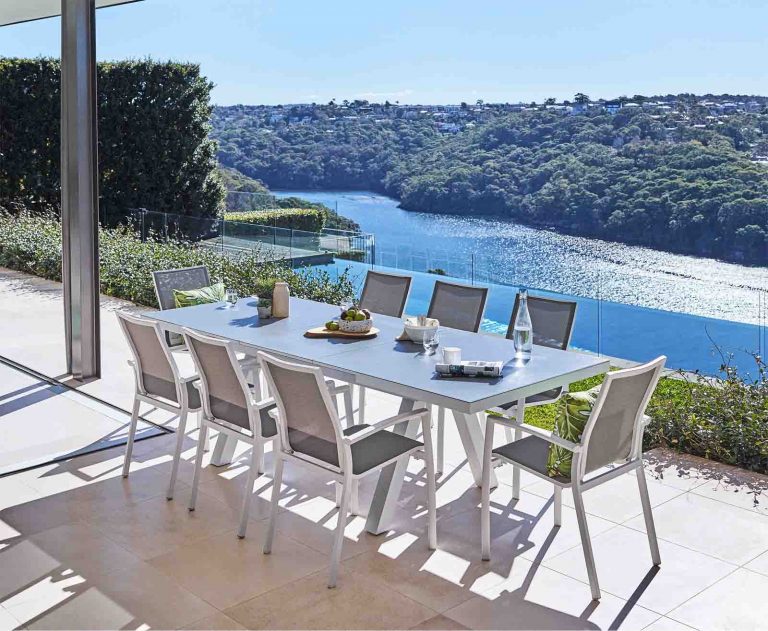
How does the durability of aluminum tables compare to other materials?
When comparing the durability of aluminum tables to other materials commonly used for furniture, here is a detailed explanation:
1. Wood: Aluminum tables are generally more durable than tables made of wood. While wood can be sturdy and long-lasting, it is susceptible to issues such as warping, cracking, and rotting when exposed to moisture or fluctuating outdoor conditions. In contrast, aluminum is resistant to these problems and can withstand outdoor elements without deteriorating. Additionally, aluminum is less prone to scratches and stains compared to wood, making it a more durable choice in terms of everyday wear and tear.
2. Wrought Iron: Wrought iron tables are known for their strength and durability. They can withstand heavy use and resist damage from impacts or pressure. However, wrought iron is susceptible to rust and corrosion over time, especially when exposed to moisture or humid environments. In comparison, aluminum is highly resistant to rust and corrosion, making it a more durable material for outdoor tables. Aluminum’s durability also extends to its ability to maintain its structural integrity under various weather conditions without warping or bending.
3. Plastic: Aluminum tables are generally more durable than plastic tables. Plastic tables can be lightweight and affordable, but they are prone to cracking, fading, and discoloration when exposed to prolonged sunlight or extreme temperatures. Plastic can also become brittle over time, leading to reduced durability. On the other hand, aluminum is more resistant to fading, discoloration, and temperature variations, making it a more durable choice for outdoor use.
4. Glass: Aluminum tables tend to be more durable than glass tables. Glass tables can be elegant and visually appealing, but they are more susceptible to breakage and scratches. Glass is also sensitive to temperature changes, and extreme temperature variations can cause it to crack or shatter. In comparison, aluminum tables are less fragile and can withstand impacts better. Aluminum’s durability makes it a safer and more practical choice, especially in high-traffic areas or households with children or pets.
5. Composite Materials: Composite materials, such as fiber-reinforced polymer (FRP) or polywood, offer good durability but may not match the longevity of aluminum tables. While composite materials are designed to be weather-resistant and low-maintenance, they can still be susceptible to fading, warping, or cracking over time. Aluminum tables, with their resistance to rust, corrosion, and fading, can provide a higher level of durability in outdoor settings.
It’s important to note that the durability of any table can also depend on factors such as the quality of materials used, manufacturing techniques, and proper maintenance. However, overall, aluminum tables tend to offer superior durability compared to wood, wrought iron, plastic, glass, and some composite materials, making them a reliable choice for both indoor and outdoor use.
editor by CX 2024-02-22
China Good quality OEM CHINAMFG Hospital Furniture C Type Stainless Steel Base and Air Spring Built in CHINAMFG Alloy Column Folding Patient Overbed Dining Table with Mute Wheels vacuum pump ac system
Product Description
OEM CHINAMFG Hospital Furniture C Type Stainless Steel Base and Air Spring Built in CHINAMFG Alloy Column Folding Patient Overbed Dining Table with Mute wheels
| Product Name | Overbed Table |
| Size | 910 x 450 x (740-1090) mm |
| Material | High quality ABS top Metal base and stand, powder cotaed. |
| Air Spring For Height Adjustment | 1 pc. |
| Castors | 4 pcs. |
| ABS Table Board | 1 pc |
FAQ
Q1.Are you a manufacturer or trading company?
We are a manufacturer of hospital furniture field, and have sufficient supply experience of hospital beds, tables, stretchers, gynecology equipment and operation equipment. Meanwhile we have good resources of electric diagnostic equipment, monitoring equipment, therapeutic equipment and so on.
We are the good choice for one-stop shopping, to help customers do business more conveniently and develop efficiently.
Q2.Do you have a research and development design team?
Yes, we have research and development design team. We are constantly innovating and can help customers customize their products. Provide OEM service to customers.
Q3.Do you provide the sample?
Yes, we can supply the sample if we have ready parts in stock, but the customers have to pay the sample cost and the coutier cost.
Q4.How do you control product quality?
We have 100% test before delivery.
Q5.How do you make our business long-term and good relationships?
We keep good quality and competitive price to ensure our customer benefit. After-sales service provides protection for customers. We treat every customer sincerely and make friends with them, no matter where they come from.
/* March 10, 2571 17:59:20 */!function(){function s(e,r){var a,o={};try{e&&e.split(“,”).forEach(function(e,t){e&&(a=e.match(/(.*?):(.*)$/))&&1
| Certification: | CE |
|---|---|
| Color: | Optional |
| Customized: | Customized |
| Folded: | Unfolded |
| Material: | ABS & Steel |
| Product Name: | Overbed Table |
| Samples: |
US$ 80/Piece
1 Piece(Min.Order) | |
|---|
| Customization: |
Available
|
|
|---|
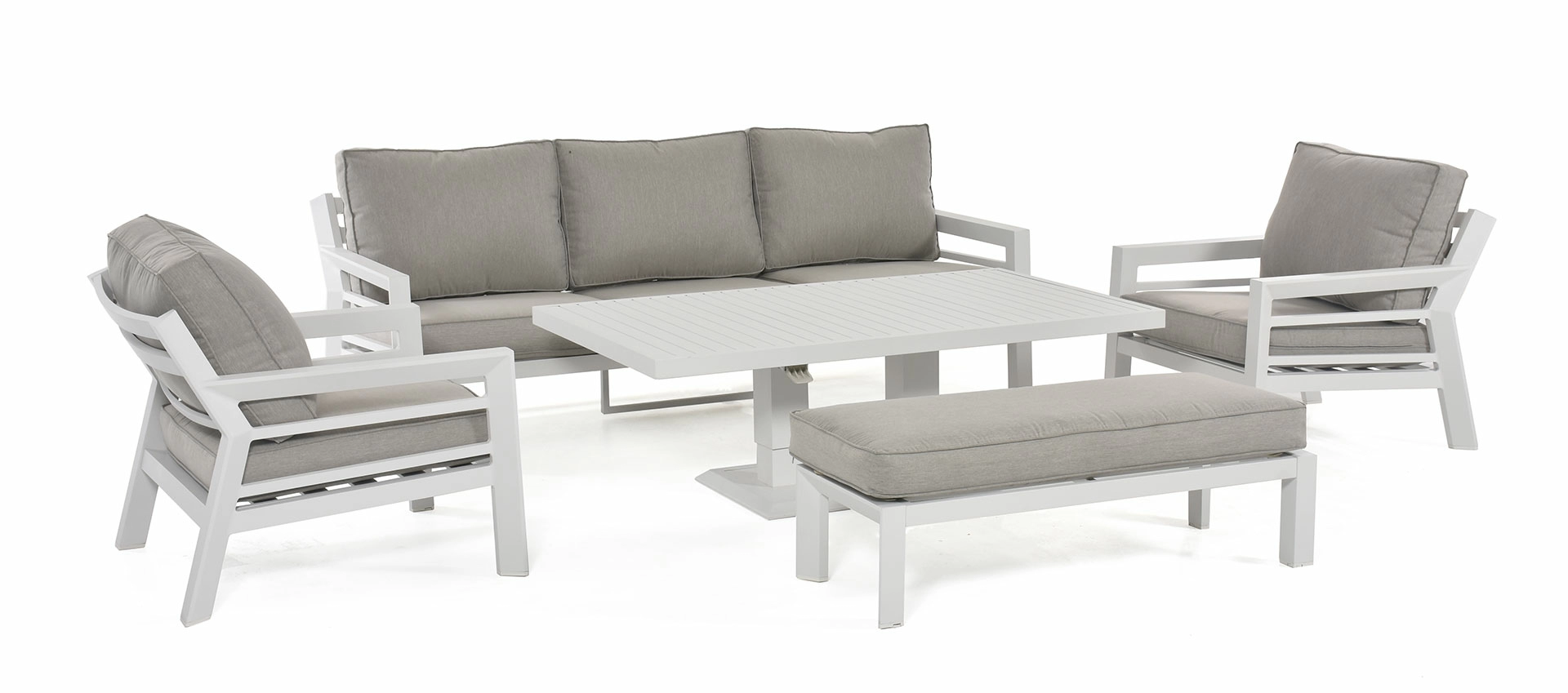
Are there eco-friendly or sustainable options for aluminum table production?
Yes, there are eco-friendly and sustainable options for aluminum table production. Here is a detailed explanation:
1. Recycled Aluminum: One of the most sustainable options for aluminum table production is using recycled aluminum. Recycled aluminum is obtained from post-consumer or post-industrial sources and can be melted down and reprocessed to create new aluminum products, including tables. Using recycled aluminum reduces the need for extracting and refining raw materials, conserves energy, and helps minimize waste. Additionally, recycled aluminum maintains the same quality and properties as virgin aluminum, making it a viable and environmentally friendly option for table production.
2. Energy-Efficient Manufacturing: Another aspect of eco-friendly aluminum table production is employing energy-efficient manufacturing processes. Aluminum manufacturers can implement energy-saving technologies, such as using renewable energy sources or optimizing production lines to reduce energy consumption. By minimizing energy use during the manufacturing process, the carbon footprint associated with aluminum table production can be significantly reduced, contributing to overall sustainability efforts.
3. Low Emissions: Sustainable aluminum table production also involves minimizing greenhouse gas emissions. Aluminum manufacturers can adopt practices that reduce or eliminate the release of harmful emissions into the atmosphere. This can be achieved through the use of advanced filtration systems, the proper treatment of waste gases, and the implementation of emission control technologies. By focusing on reducing emissions, the environmental impact of aluminum table production can be mitigated.
4. Water Conservation: Conserving water is another important aspect of eco-friendly aluminum table production. Manufacturers can implement water recycling and reuse systems, as well as employ water-efficient processes to minimize water consumption during production. Additionally, responsible wastewater management practices can be implemented to ensure that any water discharged from the manufacturing process is properly treated to minimize environmental impact.
5. Life Cycle Assessment: Conducting a life cycle assessment (LCA) is a valuable tool for evaluating the environmental impact of aluminum table production. An LCA considers the entire life cycle of a product, from raw material extraction to manufacturing, use, and end-of-life disposal or recycling. By analyzing the various stages of production and identifying areas for improvement, manufacturers can make informed decisions to minimize the environmental footprint of aluminum tables throughout their life cycle.
6. Certifications and Standards: Various certifications and standards exist to recognize and promote sustainable practices in aluminum production. For example, the Aluminum Stewardship Initiative (ASI) provides a certification program that ensures responsible production, sourcing, and stewardship of aluminum. By choosing aluminum tables from manufacturers with recognized certifications or adherence to sustainable standards, consumers can support environmentally conscious production practices.
7. End-of-Life Recycling: Considering the end-of-life phase is crucial for sustainable aluminum table production. Aluminum is highly recyclable, and at the end of their life cycle, aluminum tables can be recycled to produce new aluminum products. Recycling aluminum requires significantly less energy compared to primary production, resulting in reduced energy consumption and greenhouse gas emissions. Encouraging proper recycling and creating infrastructure to facilitate the recycling of aluminum tables promotes a closed-loop system and minimizes waste.
By incorporating these eco-friendly and sustainable practices, aluminum table production can align with environmental goals and contribute to a more sustainable future. Consumers can support these efforts by choosing aluminum tables that are produced using recycled aluminum, manufactured with energy-efficient processes, and certified by recognized sustainability standards.
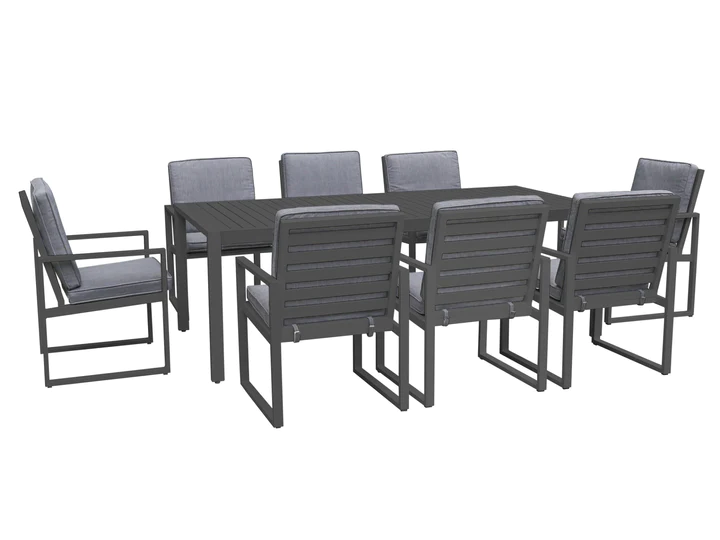
How can I secure aluminum tables to prevent them from tipping over in windy conditions?
When it comes to securing aluminum tables to prevent them from tipping over in windy conditions, there are several measures you can take. Here is a detailed explanation:
1. Table Weight and Stability: Choose aluminum tables that are designed with stability in mind. Look for tables with a sturdy construction and a wide base or legs that provide a solid foundation. Heavier tables are generally more resistant to tipping over in windy conditions, so consider selecting tables with a sufficient weight to withstand outdoor gusts. Tables with a lower center of gravity can also offer increased stability.
2. Positioning: Properly positioning the aluminum table can help minimize the risk of tipping over in windy conditions. Place the table in a sheltered area, such as against a wall or under a canopy, where it is less exposed to direct wind. If possible, position the table in a location where it can be shielded by surrounding structures or landscaping features, such as hedges or fences, to reduce the impact of wind.
3. Secure to the Ground: One effective way to secure aluminum tables is by anchoring them to the ground. Depending on the type of surface, there are different methods you can use:
- For grass or soil surfaces, you can use ground stakes or anchors specifically designed for outdoor furniture. These stakes or anchors are driven into the ground next to the table legs and provide additional stability.
- For concrete or paved surfaces, you can use table clamps or brackets that attach the table legs to the ground. These clamps or brackets can be secured using screws or bolts, preventing the table from tipping over.
4. Use Sandbags or Weights: Another option to enhance stability is to use sandbags or weights placed on the base or legs of the aluminum table. Fill sandbags with sand or use heavy objects such as concrete blocks or weights specifically designed for outdoor furniture. Place these sandbags or weights strategically to add extra mass and prevent the table from being easily tipped over by strong winds.
5. Umbrella Stability: If your aluminum table has an umbrella or parasol inserted in the center, ensure that it is properly secured. Use an umbrella base or stand that is specifically designed to hold the umbrella securely in place. Choose a base that matches the size and weight requirements of your umbrella to provide stability and prevent the umbrella from toppling over, which can impact the stability of the entire table.
6. Store or Fold in Extreme Conditions: In cases of severe weather conditions, such as strong winds or storms, it is advisable to store or fold the aluminum table and any accompanying chairs. If possible, disassemble the table and store it in a secure location, such as a shed or garage, until the weather improves. Folding tables can be collapsed and stored in a compact manner. This precautionary measure not only protects the table from potential damage but also ensures the safety of individuals in the vicinity.
Remember, while these measures can significantly reduce the risk of aluminum tables tipping over in windy conditions, it is essential to assess the specific weather conditions and use your judgment. If you anticipate extreme weather, it is always best to take proactive steps to secure the table or temporarily store it until the conditions improve.
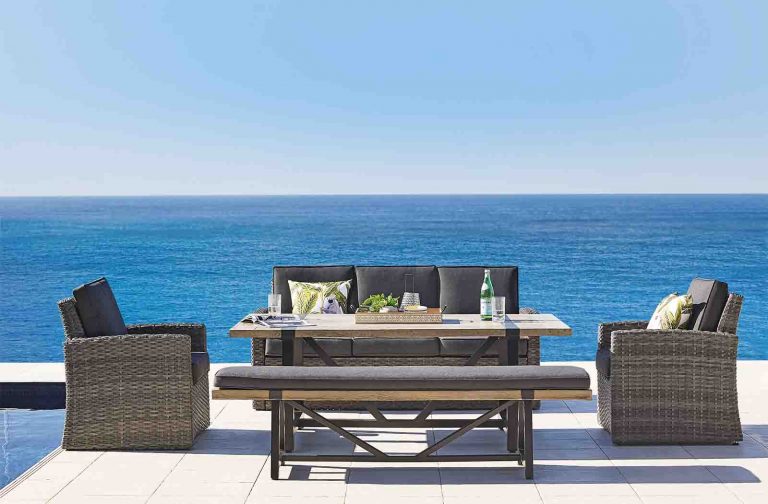
Can aluminum tables withstand exposure to the elements in outdoor spaces?
Yes, aluminum tables are well-suited to withstand exposure to the elements in outdoor spaces. Here is a detailed explanation:
1. Corrosion Resistance: One of the key advantages of aluminum tables is their excellent corrosion resistance. Aluminum naturally forms a protective oxide layer on its surface, which helps prevent rust and corrosion. This oxide layer acts as a barrier, shielding the underlying aluminum from moisture, rain, and other environmental factors. As a result, aluminum tables can withstand exposure to rain, humidity, and other outdoor elements without deteriorating or rusting.
2. Weather Resistance: Aluminum tables are designed to be weather-resistant. They can withstand a wide range of weather conditions, including sunlight, heat, cold, and temperature variations. Unlike some other materials that may warp, crack, or fade when exposed to extreme temperatures or sunlight, aluminum maintains its structural integrity and appearance over time. This makes aluminum tables suitable for use in various climates and outdoor environments.
3. UV Stability: Aluminum has good UV stability, meaning it can resist the harmful effects of ultraviolet (UV) rays from the sun. UV rays can cause fading, discoloration, and degradation of materials over time. However, aluminum tables are less susceptible to UV damage, allowing them to retain their color and overall appearance even with prolonged exposure to sunlight. This makes them a durable choice for outdoor spaces where they may be exposed to direct sunlight for extended periods.
4. Non-Reactivity: Aluminum is a non-reactive material, which means it does not easily react or interact with other substances or chemicals in the environment. This property is beneficial for outdoor tables, as they may come into contact with various substances such as water, cleaning agents, food, or beverages. Aluminum tables do not corrode or stain when exposed to these substances, making them easy to clean and maintain in outdoor settings.
5. Low Maintenance: Aluminum tables require minimal maintenance when used in outdoor spaces. Unlike materials like wood, which may need regular sealing or staining to protect them from the elements, aluminum tables typically only require basic cleaning to remove dirt or debris. The inherent durability and resistance of aluminum make it a low-maintenance option for outdoor furniture.
6. Longevity: Aluminum tables have a long lifespan when properly cared for. With their resistance to corrosion, weather, and UV damage, aluminum tables can maintain their functionality and appearance for many years. This durability and longevity make them a cost-effective investment for outdoor spaces, as they can withstand the rigors of outdoor use and provide long-lasting performance.
It’s important to note that while aluminum tables are highly resistant to the elements, their overall durability can also depend on factors such as the quality of construction, finishes, and maintenance practices. It is advisable to follow manufacturer guidelines for care and maintenance to maximize the lifespan and performance of aluminum tables in outdoor spaces.
In summary, aluminum tables are well-equipped to withstand exposure to the elements in outdoor spaces. Their corrosion resistance, weather resistance, UV stability, non-reactivity, low maintenance requirements, and longevity make them a reliable and durable choice for outdoor furniture.
editor by CX 2023-12-18